Friendsgiving Party Games
Friendsgiving · Party Games · Lush Party Boutique
Friendsgiving Party Games
Games that fit around a full dinner table — low-prep, conversation-based, and inclusive of a mixed friend group who may not all know each other well.
A well-chosen Friendsgiving game is not a party game tacked onto a dinner — it is a conversation catalyst that gives a mixed group a shared activity at the point in the evening when the meal is winding down and the group needs something to do together. The games that work here are the ones that require almost no setup, play seated around the table, and spark the kind of talking that people remember the next day.
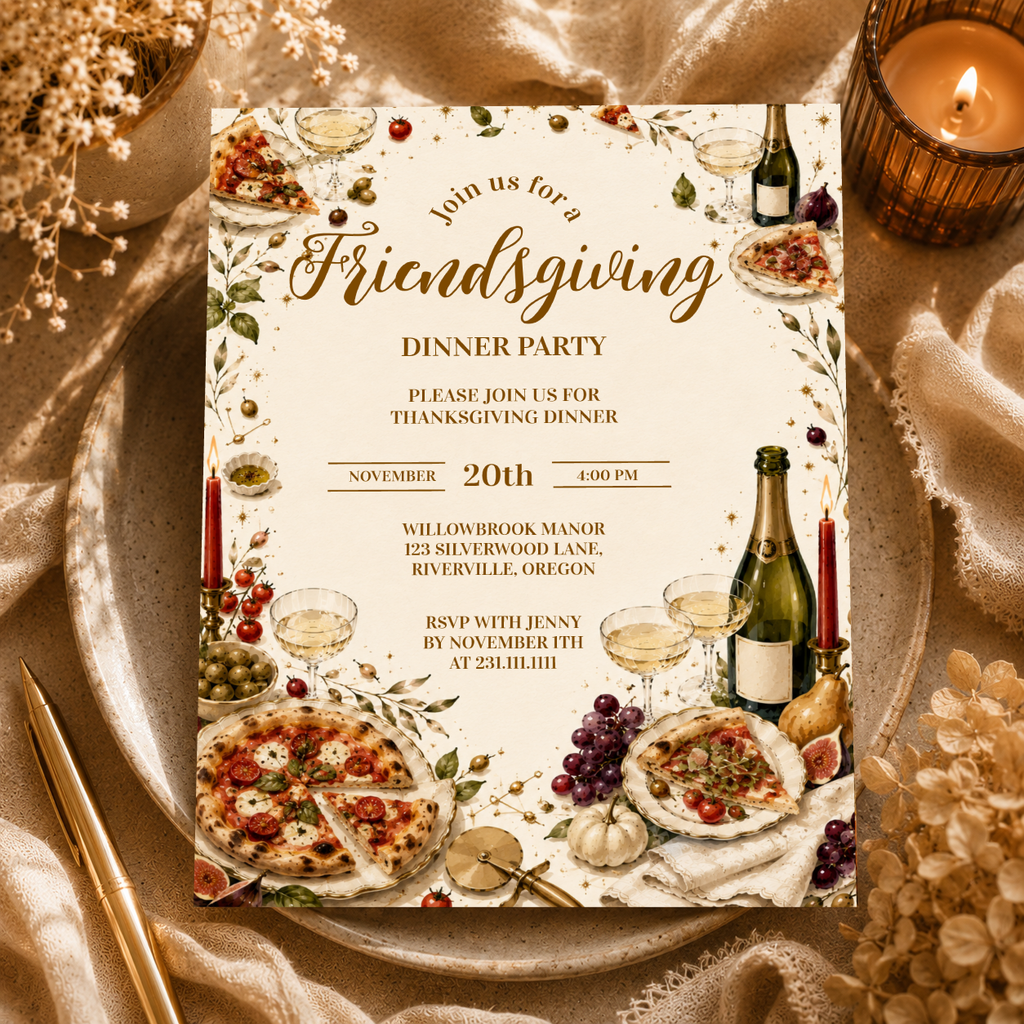
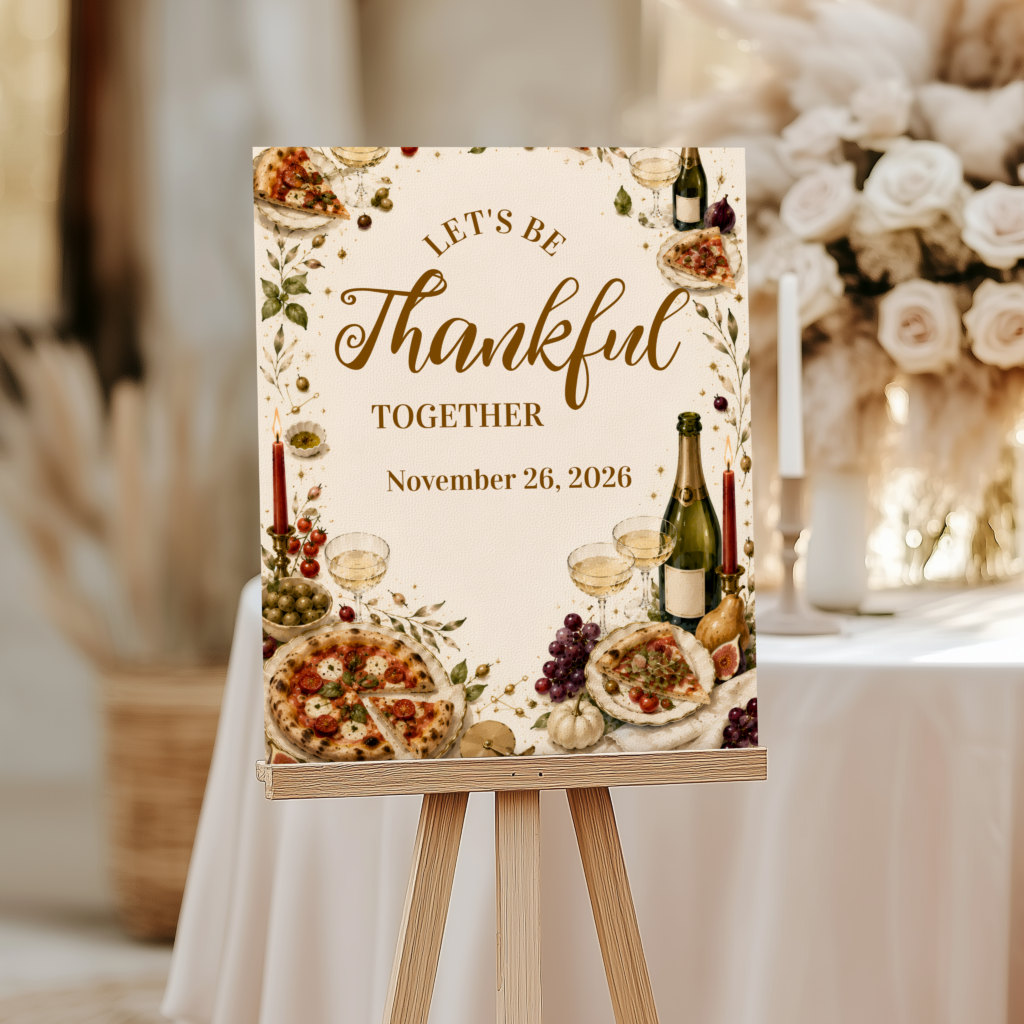
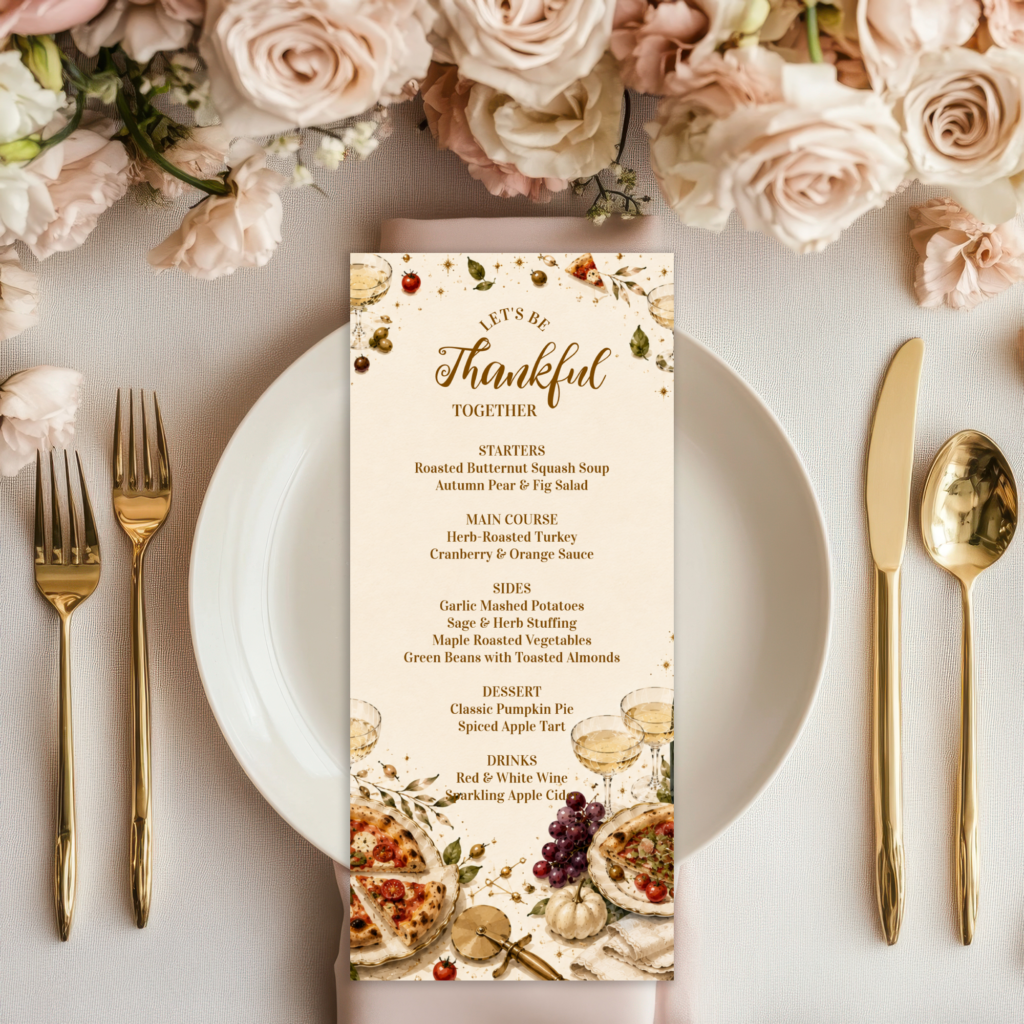
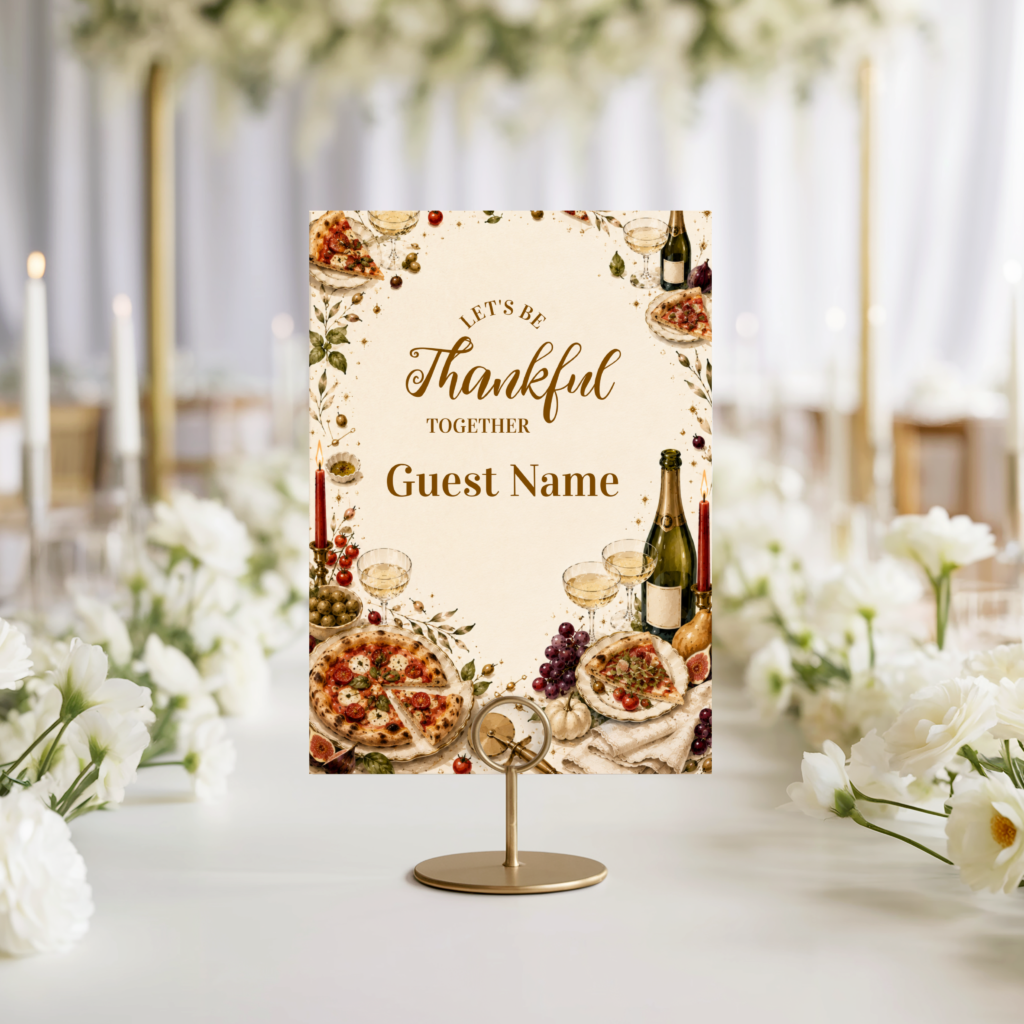
Browse the Friendsgiving Party collection at Lush Party Boutique — printed game prompt cards and stationery for every Friendsgiving format.
“The games are what turn a dinner into a night everyone still talks about. One well-chosen activity gives the group a shared memory — which is exactly what Friendsgiving is supposed to produce.”
Section 01 Games That Fit a Friend-Group Dinner
Most party game formats were not designed for a seated dinner with a mixed friend group. Three qualities separate the ones that work from the ones that derail the evening.
Low-prep and conversation-based. The best Friendsgiving games spark talking rather than require managing. A gratitude round — where each person names something they are grateful for about the person to their left — produces conversation, warmth, and a shared emotional high point with zero setup. A ‘most likely to’ round using prompts written on index cards produces laughter and the specific pleasure of knowing and being known by the people at the table. Neither requires a host to organise more than a few written prompts in advance.
Playable around a full table. A seated dinner group does not want to rearrange furniture, form teams, or leave the table to play. Games that work here are ones where the table is the game board: a prompt passed around the table, a card drawn from a central pile, or a question posed and answered by every person in turn. The game should fit into the structure of the evening — mid-meal or post-dessert — rather than requiring the group to pause and reorganise for it.
Inclusive of a mixed group. Friendsgiving friend groups often include people who know the host well and people who are meeting others for the first time — partners, newer friends, colleagues. Games that require deep shared knowledge read as exclusive to the inner circle; games based on universal prompts — what are you grateful for, what would you do, what does everyone assume about you — include every person at the table regardless of how long they have known each other.
🎮 Game Tip
Save the game for after the meal rather than before it. A pre-dinner activity competes with the natural catching-up that happens as people arrive and settle; a post-dessert game gives the group something structured to do at exactly the point when conversation naturally starts to quiet down.
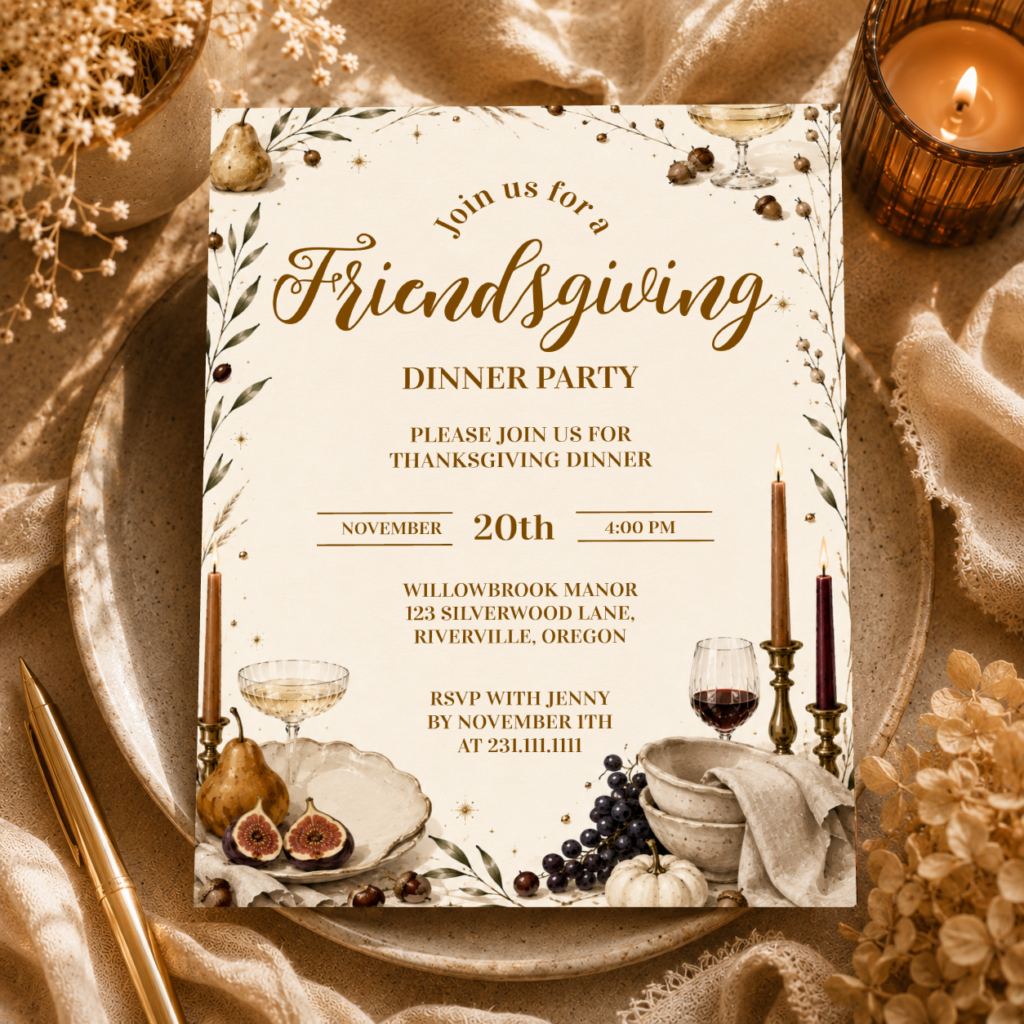
The Friendsgiving Party collection — printed prompt cards and table stationery for a structured, conversation-based Friendsgiving game.
Section 02 A Playful Girls’-Night Direction
For a Friendsgiving that leans toward a close girls’ night gathering, the game format can be lighter and more playful than a mixed-group dinner would allow: a rapid-fire trivia round on a topic the group has in common, a gratitude jar activity where each person writes something they appreciate about every other person and the notes are read aloud, or a ‘never have I ever’ prompt round that is shaped around shared experiences rather than individual disclosures.
A gratitude jar — a simple glass jar at the centre of the table with folded notes inside, each person having written one thing they appreciate about each other guest — is the activity that consistently produces the most warmth and the most genuinely memorable moment of a Friendsgiving gathering. It requires the host to provide small pieces of paper and pens, takes ten minutes to complete, and produces individual notes that guests can take home. The Girls’ Night Friendsgiving collection at Lush Party Boutique includes printed prompt cards that can sit at each place setting in advance, making the activity feel hosted rather than improvised.
🎮 Game Tip
Print or write game prompts ahead of time and place them at each setting rather than relying on a shared screen or phone at the table. A physical card keeps each guest’s attention present rather than pulling everyone toward individual devices, which is the specific quality that makes a post-dinner activity feel like a shared moment rather than a group task.
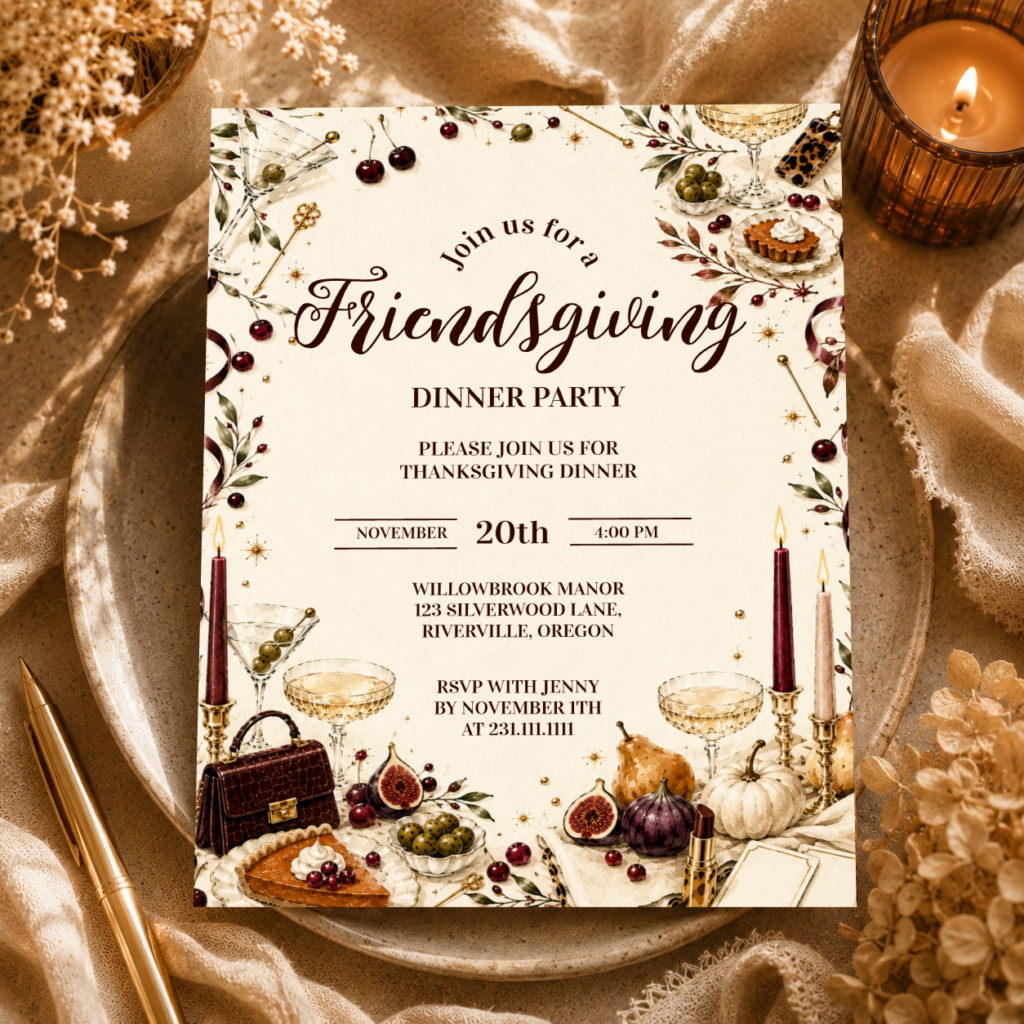
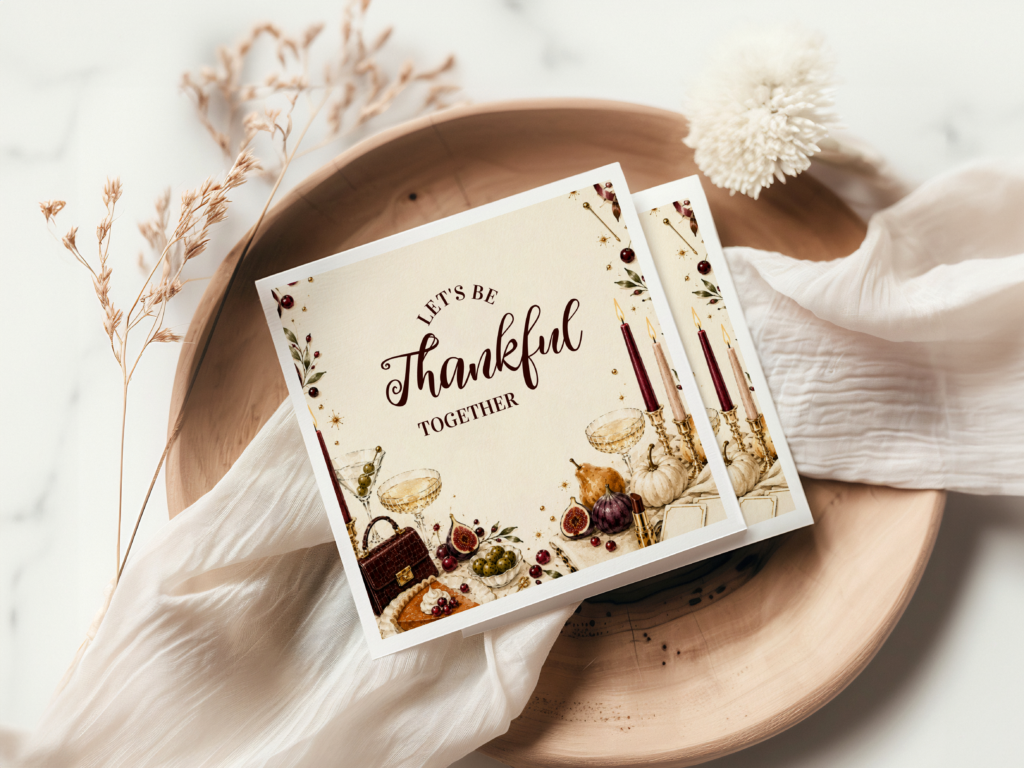
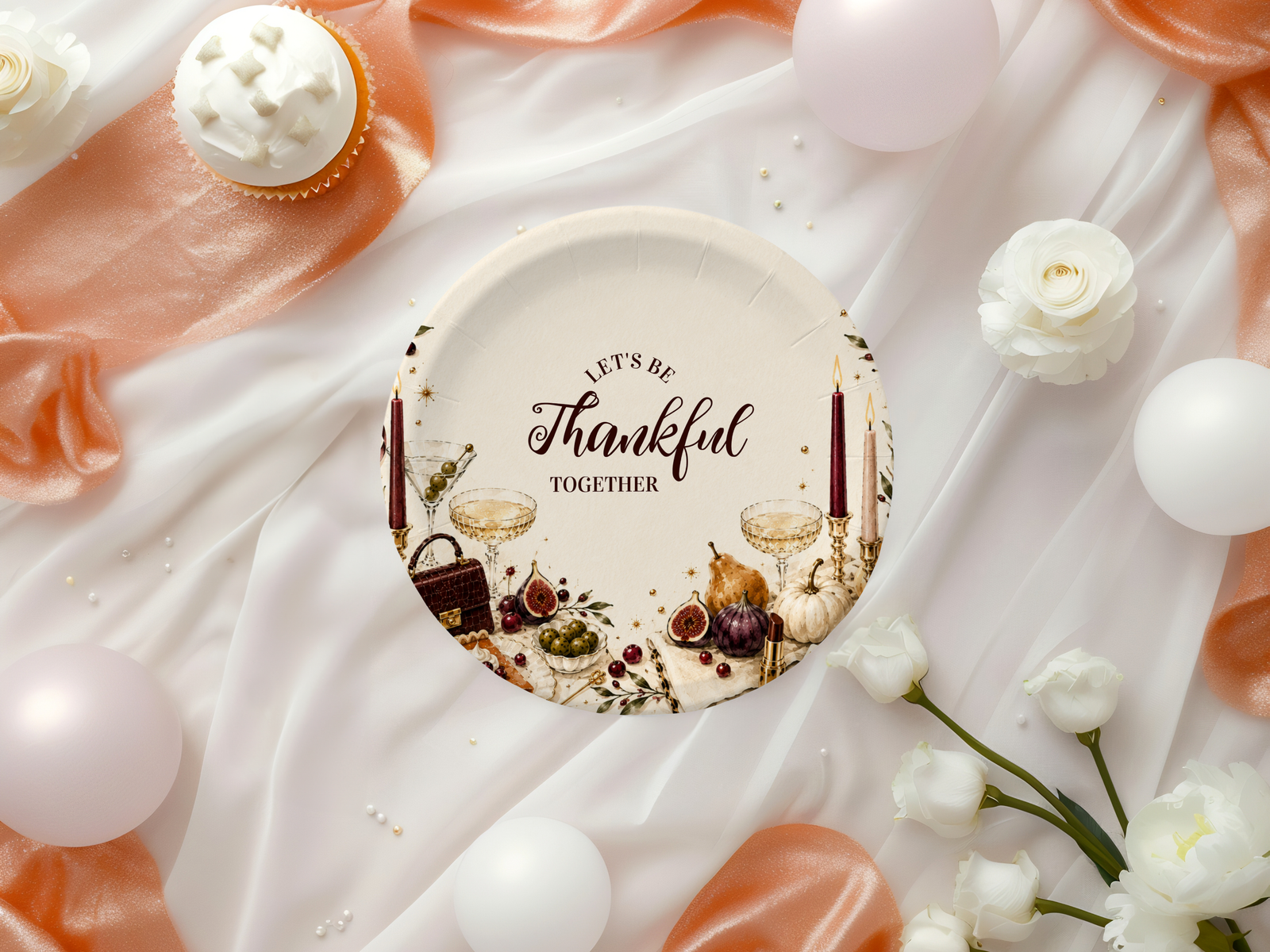
The Girls’ Night Friendsgiving collection — printed prompt cards and stationery for a playful, close-friend Friendsgiving gathering.
Section 03 Quick No-Prep Options for a Last-Minute Host
For a host who has not planned a game and realises mid-evening that the group would benefit from one, two formats require nothing to prepare.
Zero Setup
The Gratitude Go-Around
Starting with the host and moving clockwise around the table, each person names one thing they are grateful for this year. No writing, no cards, no materials. The prompt is simple enough that no one is caught off guard; the answers are usually surprising and consistently produce warmth. For a group that knows each other well, add a second round where each person names something they are grateful for about the specific person to their left.
Zero Setup
Would You Rather
The host poses a would-you-rather question and each person answers in turn, briefly explaining their choice. The questions should be specific enough to provoke actual discussion — ‘would you rather always be overdressed or always be underdressed’ or ‘would you rather know everything or have everything’ — rather than so extreme that the answer is obvious. The activity requires no materials, plays seated, takes as long as the group wants it to, and consistently generates the conversational energy that makes a dinner feel like an event.
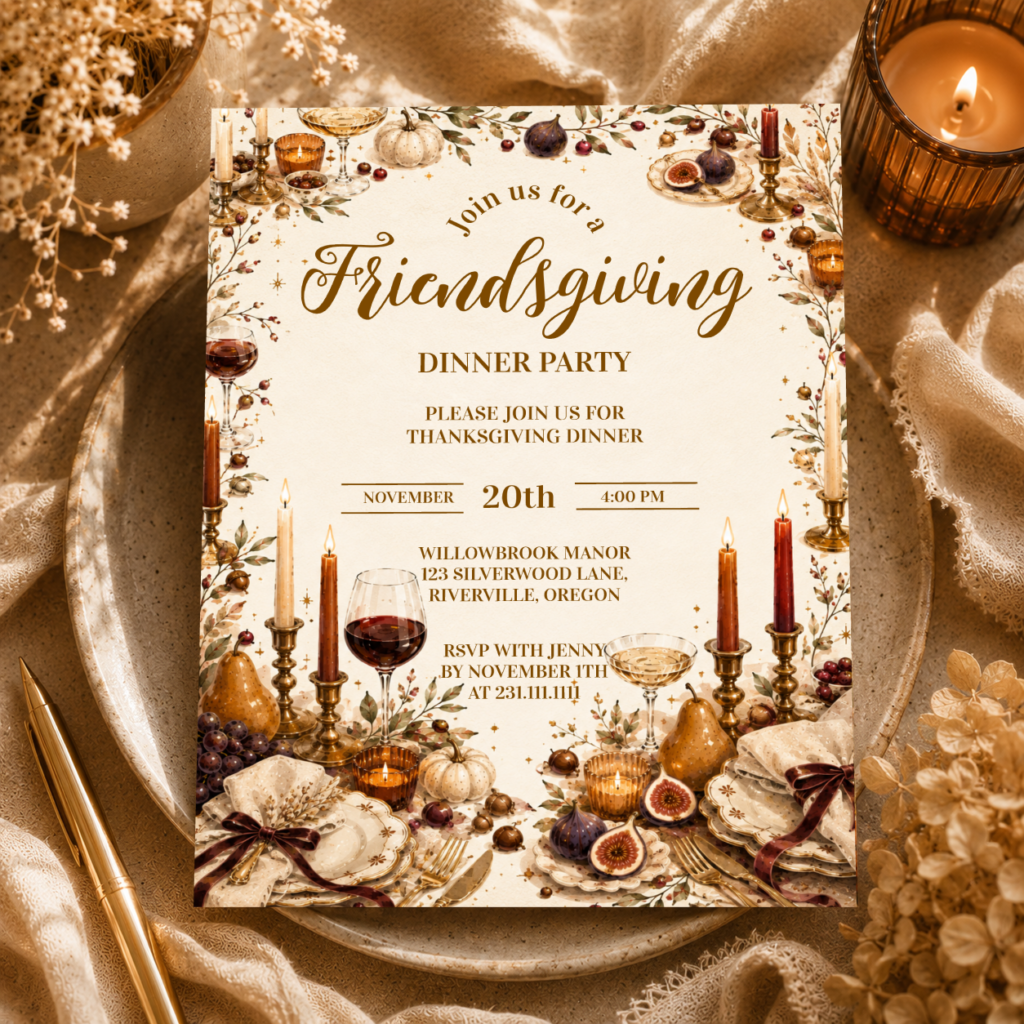
The Friendsgiving Party collection — prompt cards and printed stationery for a more hosted, designed game experience.
Frequently Asked Questions
What’s a good Friendsgiving game if I’m short on time to plan?
A gratitude go-around requires zero preparation and consistently produces the warmest moment of the evening: each person names one thing they are grateful for this year, moving around the table. For something lighter, a would-you-rather round — where the host poses questions and each person answers in turn — requires nothing beyond a few questions thought up in advance. Both play seated, include everyone regardless of familiarity, and take as long or as short as the group wants.
How do I pick games that work for a mixed group who don’t all know each other?
Choose prompts that are based on universal experience rather than shared history. A gratitude round, a would-you-rather question, or a ‘what would you do’ scenario works for everyone at the table because it asks for each person’s own perspective rather than knowledge about others. Avoid games that reward knowing specific details about other guests — trivia about the friend group, for example — because these read as exclusive to the people who have known each other longest and can make newer guests feel peripheral.
Should games happen before or after the meal?
After. A pre-dinner activity competes with the natural catching-up that happens as people arrive, find their seats, and get drinks. The group is not yet settled, not everyone has arrived, and the energy is dispersed. After dessert — when the meal is finished, people are comfortable, and conversation is starting to lose its momentum — is exactly the right moment. A well-timed game gives the group a second wind and extends the evening without requiring anyone to move from the table.
Lush Party Boutique · Friendsgiving Game Stationery
Shop Friendsgiving Game Prompt Cards
Printed prompt cards and table stationery that turn a post-dinner lull into the moment everyone remembers.